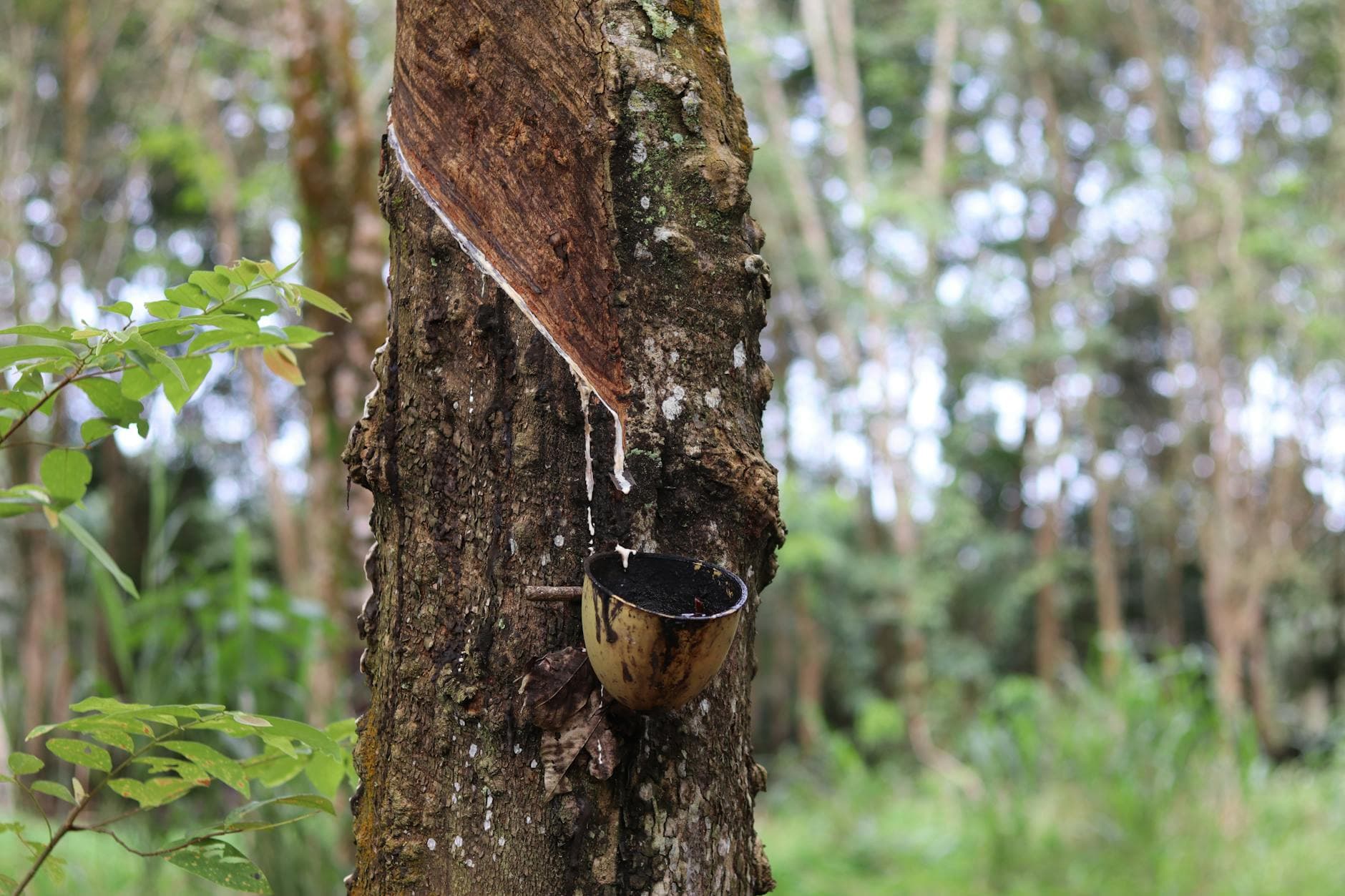
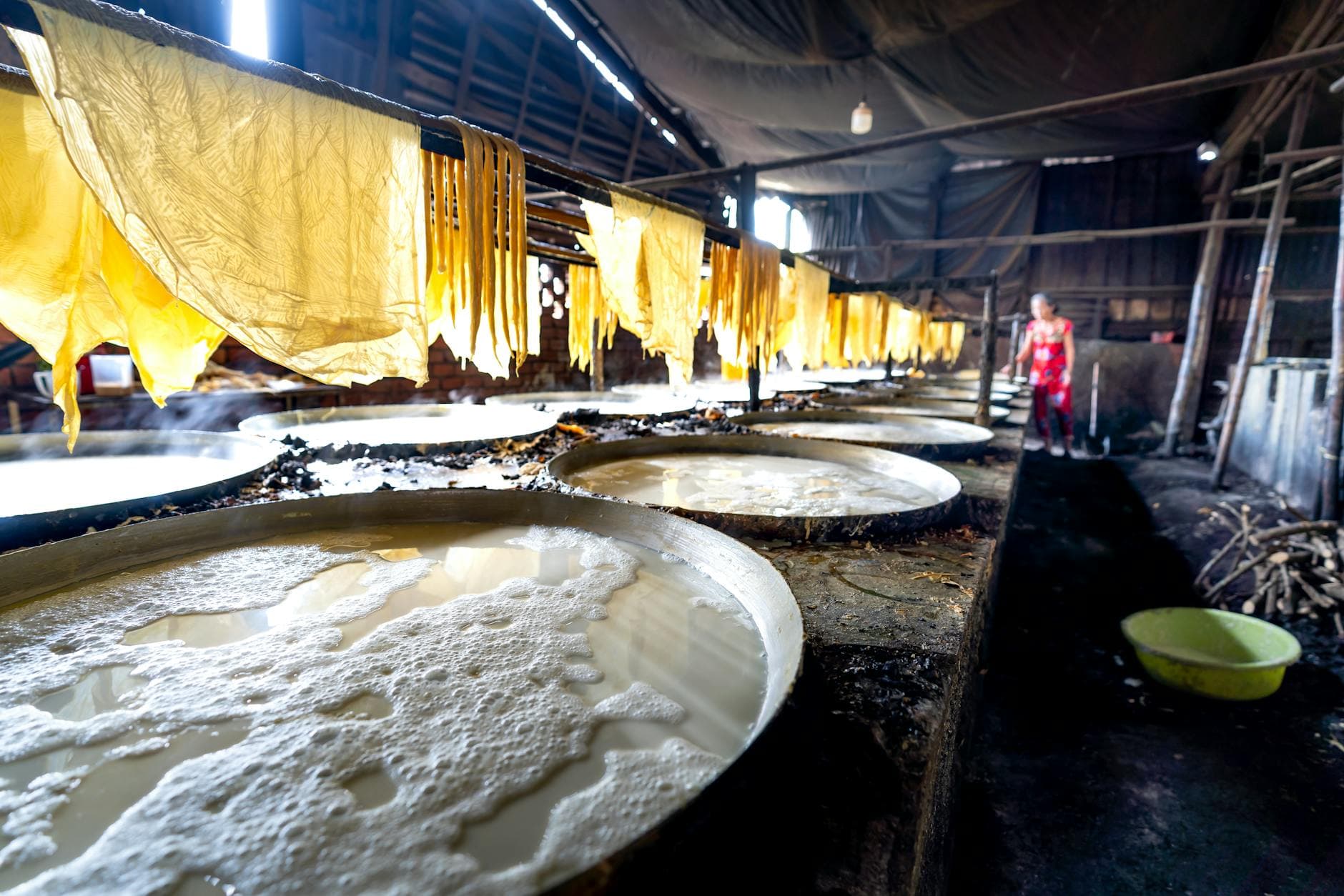
For a natural rubber processor, cooperative or exporter, the due diligence statement is not the first step. It is the end of an upstream discipline: receiving supplier data, linking it to lots, checking gaps, and preserving evidence before the material moves further through the chain.
That distinction matters for EUDR preparation. The European Commission’s implementation material describes due diligence as a process that starts with collecting information such as product, quantity, supplier, country of production and geolocation of the plots of land where the commodity was produced. If that information cannot be collected, the operator should not treat the product as ready for placement on the EU market or export under the Regulation.
For rubber operations, the practical question is therefore not only “who will submit the DDS?” It is also: can the mill, cooperative or buying desk reconstruct why a specific rubber lot was accepted, what supplier records supported it, which origin evidence was available, and which exceptions were resolved before shipment?
Start supplier intake before the lot becomes a compliance problem
Supplier intake is the operational layer between field reality and formal due diligence. It is where a buying organization decides what minimum evidence must accompany a supplier, a farm, a delivery and a lot before those records are allowed to support downstream declarations.
In natural rubber, this intake process should be designed for messy, repeated transactions. A supplier may deliver more than once. A cooperative may aggregate rubber from multiple producers. A processor may receive material from different buying points. If the intake form is only a static supplier questionnaire, it will not be enough. The system needs to connect the supplier profile to actual deliveries and lots.
A useful intake model separates at least five layers:
- Supplier identity: legal or operational name, internal supplier ID, contact point, role in the chain and relationship to the producing plots.
- Production origin: country of production, plot or farm references, geolocation evidence where required, and the date or production period associated with the material.
- Delivery record: date received, quantity, buying point, receiving unit and the person or team that accepted the material.
- Lot construction: how deliveries are assigned to batches, whether lots are kept separate or mixed, and which source records remain attached after processing or storage.
- Exception history: missing coordinates, inconsistent names, unclear supplier role, duplicated farm references, quantity mismatch or records still waiting for review.
This is not bureaucracy for its own sake. It is what allows a company to distinguish a lot that is ready for due diligence from a lot that is commercially present but still evidentially incomplete.
The DDS depends on traceable relationships, not isolated files
One common mistake is to store evidence as loose documents: a spreadsheet in one folder, a map file in another, a supplier PDF in a third, and delivery tickets somewhere else. That may feel organized until a buyer, auditor or internal compliance team asks how a shipment is connected to the plots and suppliers behind it.
The better question is relational: which supplier delivered which material, from which declared origin, into which lot, during which period, with which unresolved exceptions?
That relationship is the backbone of chain-of-custody governance. The EU text and Commission guidance focus on information that must be available for relevant products, including the commodity, quantity, supplier, country of production and geolocation. For an operator, the operational risk is losing those relationships during aggregation, storage, processing or export preparation.
A processor does not need to make the intake layer complicated. But it does need to make it consistent. If the same supplier appears under three names, if deliveries are accepted before origin data is reviewed, or if lot IDs are created after the fact, the due diligence file becomes fragile.
What to check at the receiving gate
The receiving gate is the best moment to catch data gaps. Once rubber has been aggregated, dried, processed or moved, the cost of reconstruction rises quickly.
A practical gate can ask four simple questions before the lot is marked as due-diligence-ready:
- Is the supplier known? The record should show who supplied the material and whether that actor is a producer, cooperative, intermediary or processor.
- Is the origin evidence attached? The record should connect the material to the declared country and production area, with geolocation evidence where required.
- Is the quantity plausible? Volumes should make sense against the supplier, delivery history and lot composition.
- Are exceptions visible? A lot with missing or contradictory information should be marked for review, not silently mixed into a clean batch.
This does not replace legal analysis or risk assessment. It simply gives the compliance team a cleaner starting point. A due diligence statement should not be built from memory, screenshots or emergency reconstruction. It should be built from records that were captured close to the transaction.
Use exception categories instead of vague “pending” labels
Many supply-chain teams know when a file is incomplete, but they do not classify why. That creates a hidden backlog. “Pending” may mean the supplier has not sent coordinates, the plot file is unreadable, the quantity does not match the delivery ticket, or the supplier’s role is unclear.
For rubber lots, exception categories should be specific enough to drive action:
- missing supplier identity or duplicate supplier record;
- missing plot or farm reference;
- geolocation format not usable for review;
- delivery quantity inconsistent with lot quantity;
- country of production not aligned with supplier declaration;
- mixed lot without preserved source linkage;
- legal or document evidence still under review.
The goal is not to block the operation unnecessarily. The goal is to prevent ambiguous data from becoming invisible. When exceptions are classified, managers can prioritize what must be corrected before shipment, what can be escalated, and what should remain outside an EUDR-sensitive lot until resolved.
Keep the system useful for operations, not only audits
A supplier intake process will fail if it exists only for the compliance office. Field buyers, receiving teams, warehouse managers and export staff need a workflow that fits daily movement of material.
That means using stable IDs, simple statuses and clear ownership. A lot can be “received”, “under evidence review”, “exception open”, “ready for risk assessment” or “not eligible for EUDR-sensitive shipment”. Those statuses are more useful than a folder full of documents with no operational meaning.
It also means preserving the history of decisions. If a lot was held, corrected, split or excluded, the reason should remain attached to the lot. This history is valuable for internal governance even when no external audit happens.
A conservative operating rule
The safest operating rule is simple: do not let a rubber lot advance faster than its evidence can follow.
EUDR implementation details continue to evolve, including simplification work by the European Commission. But the underlying operational need is stable: companies need reliable supplier, origin, quantity and lot relationships before they can make defensible downstream decisions.
For natural rubber businesses, the practical advantage will not come from treating the DDS as a last-minute form. It will come from building an intake process that makes each lot explainable before it reaches the shipment stage.
Photo: Thái Trường Giang on Pexels.